Trichoscopy / Trichology
Scalp and hair follicle examination to support the diagnosis of alopecia and hair disorders.
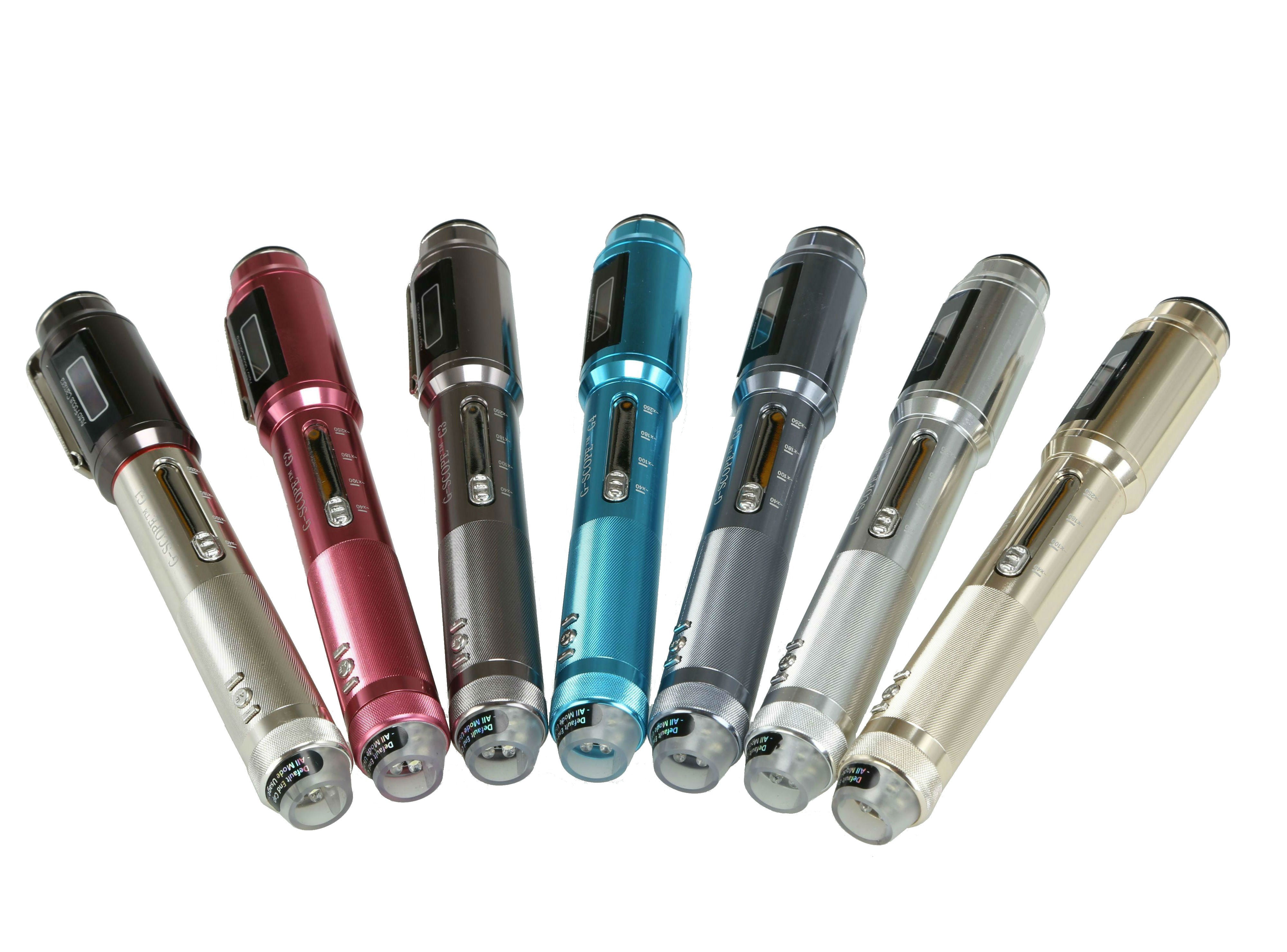
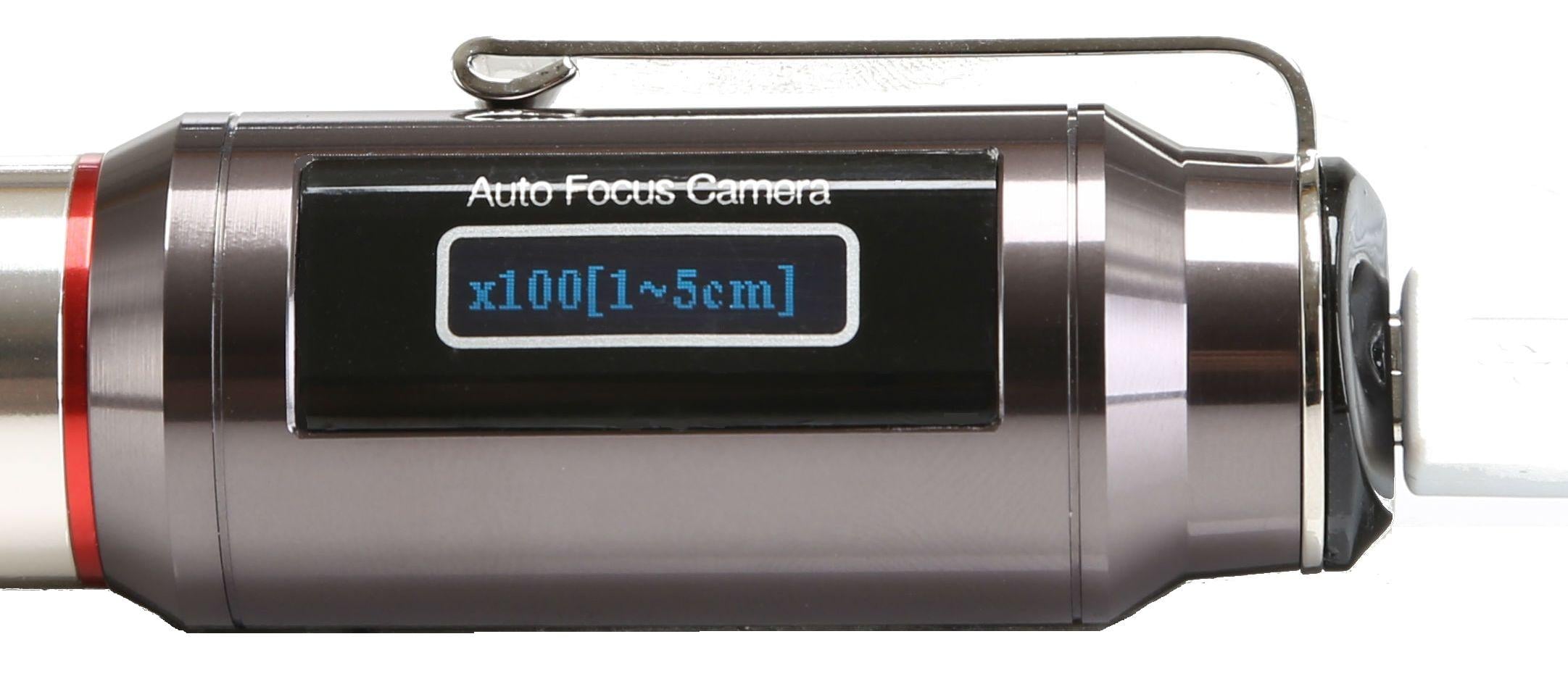
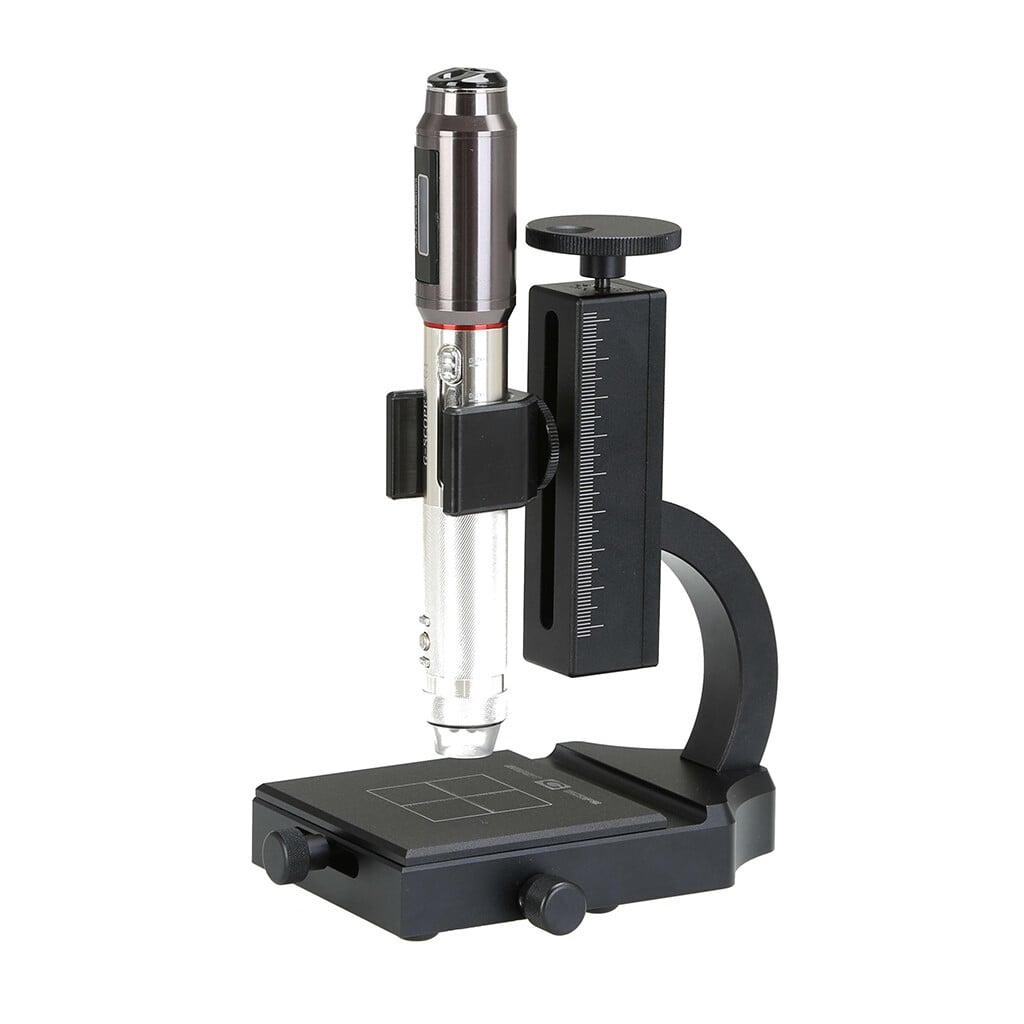
Trichoscopy is a non-invasive diagnostic technique that enables detailed evaluation of the scalp and hair shaft. Smart G-Scope provides the magnification and resolution needed to identify characteristic signs of different types of alopecia.
It is possible to visualize yellow dots, vellus hairs, follicular miniaturization, and other key dermoscopic markers used in the differential diagnosis of androgenetic alopecia, alopecia areata, and scarring alopecias.
The ability to document findings and compare images over time makes Smart G-Scope a valuable tool for trichologists, dermatologists, and hair clinics that want to provide rigorous patient follow-up.
Key benefits
- Identification of trichoscopic signs specific to each type of alopecia
- Visual estimation of follicular density and hair shaft thickness
- Longitudinal documentation to evaluate treatment efficacy
- High-quality images for reports and patient communication
- Easy to use without extensive specialized training
Image gallery
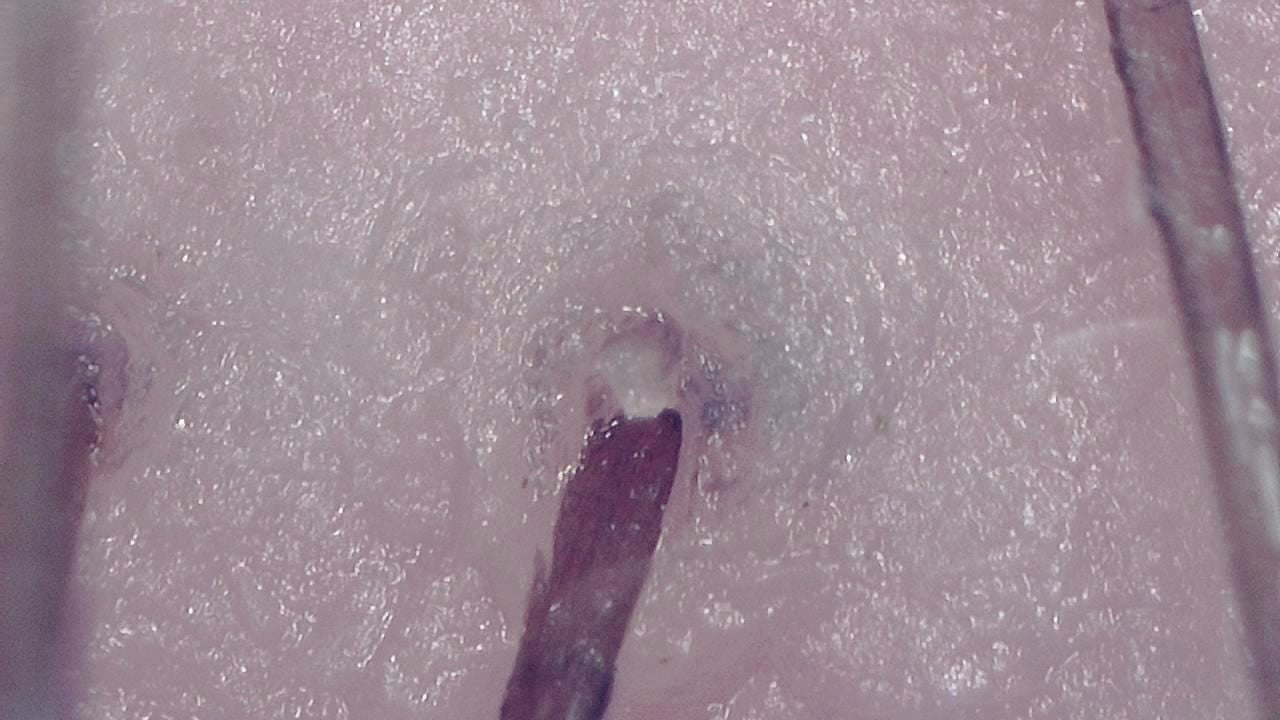
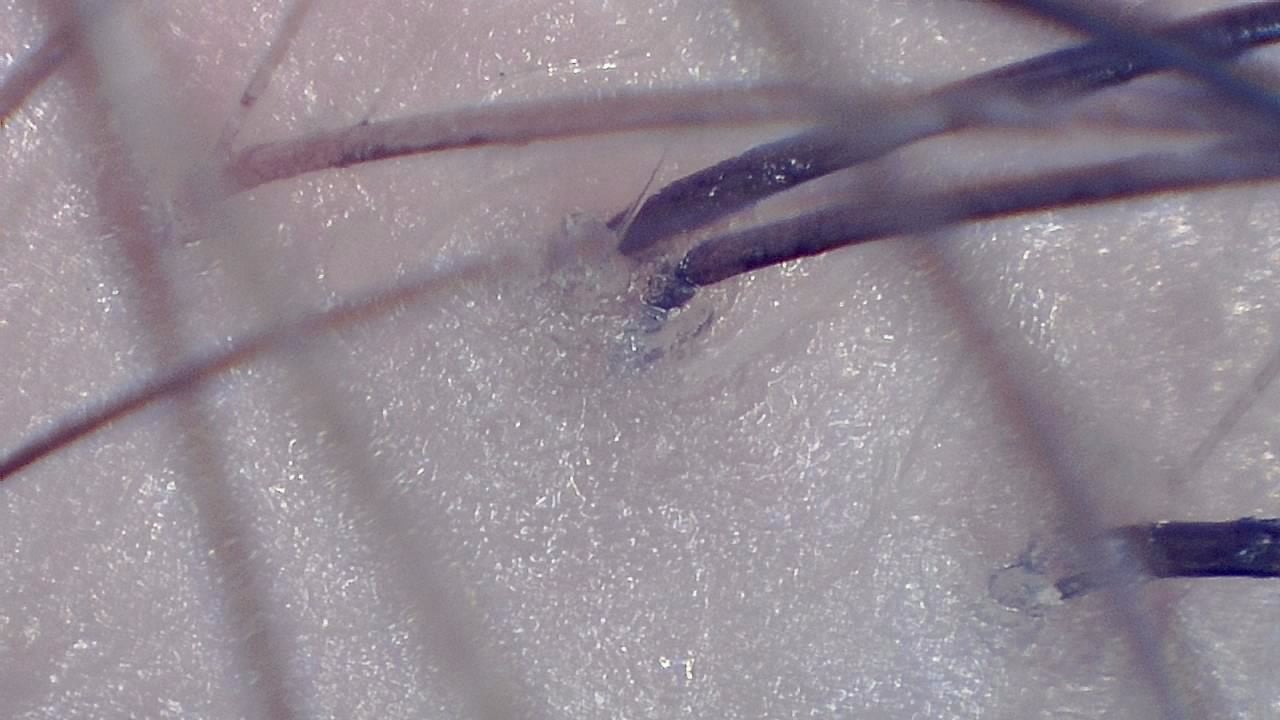

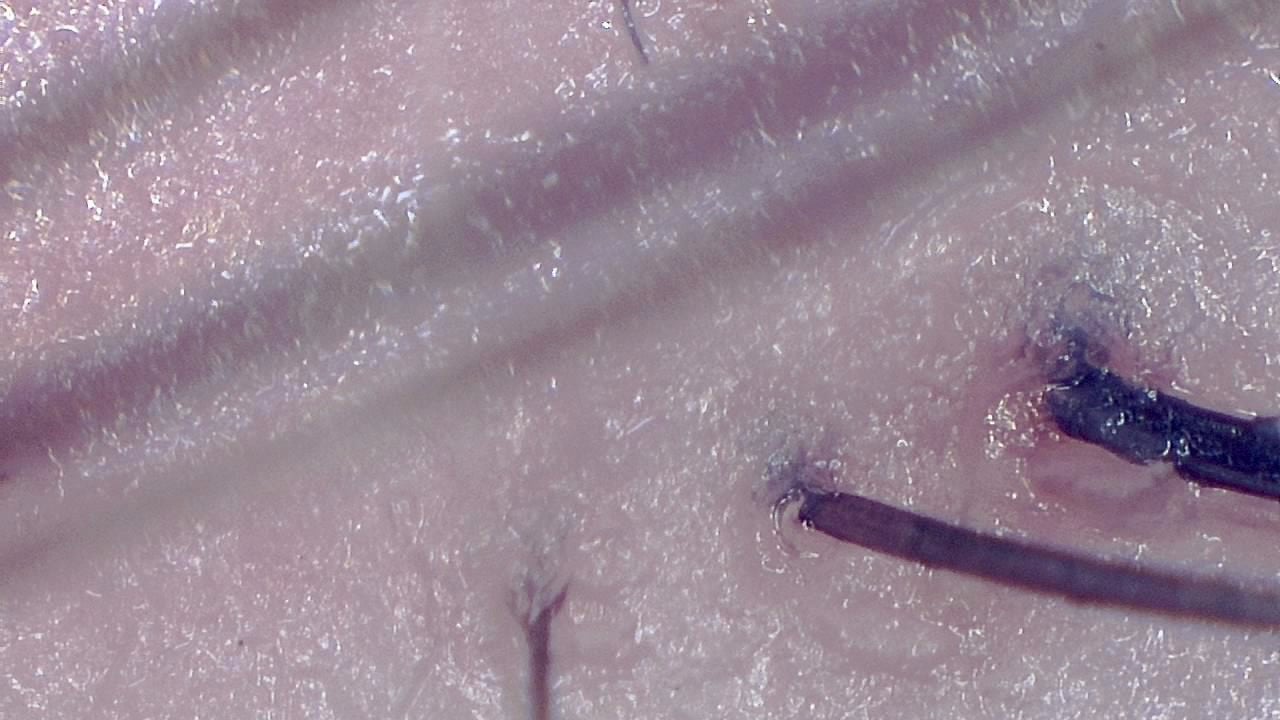
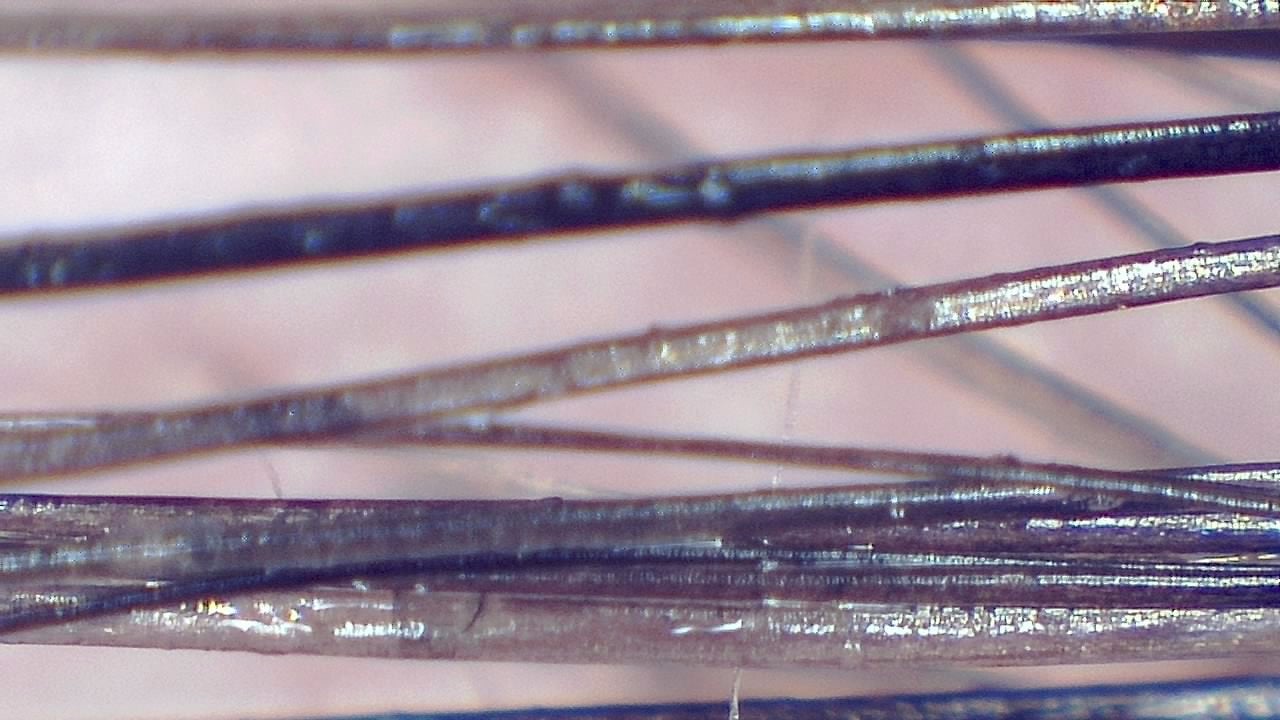
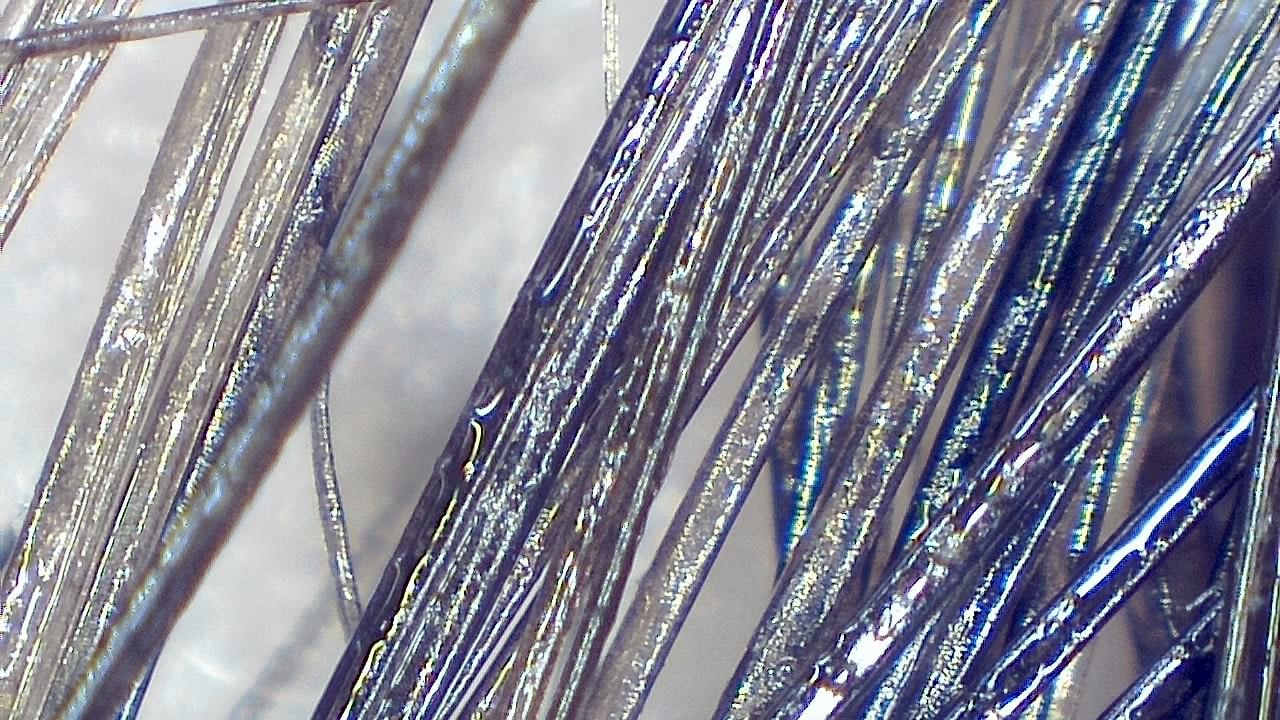
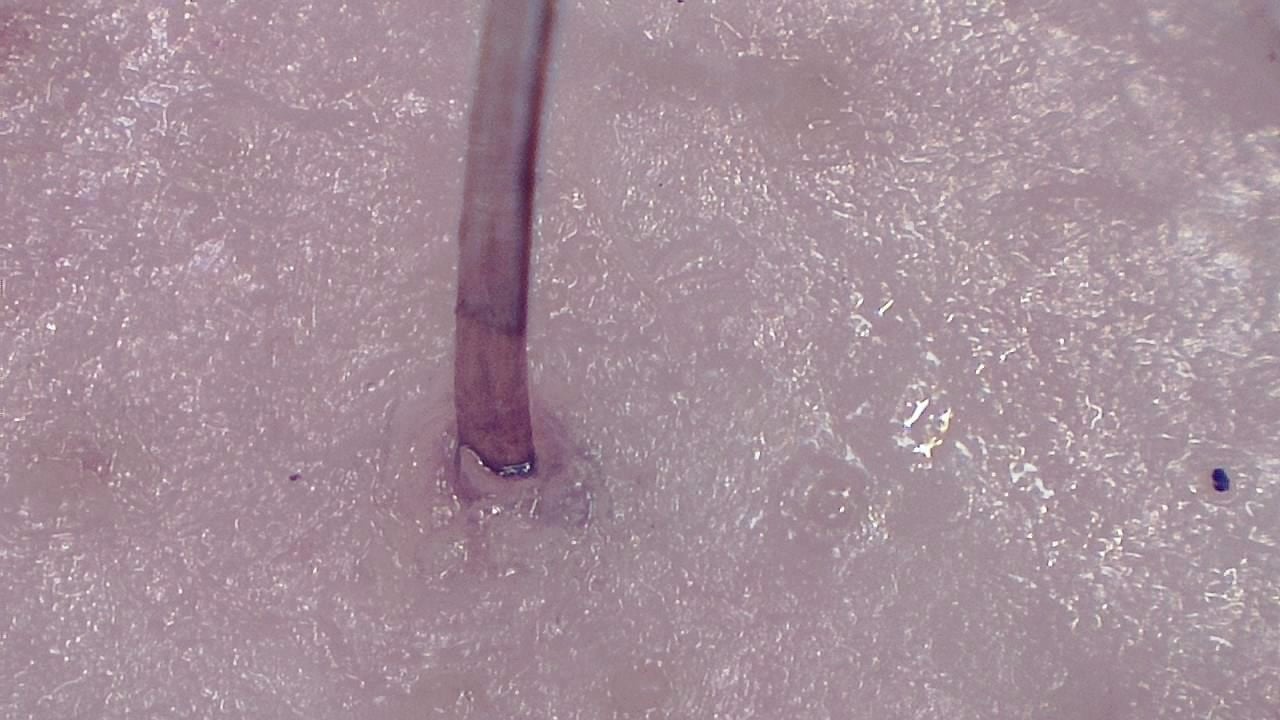
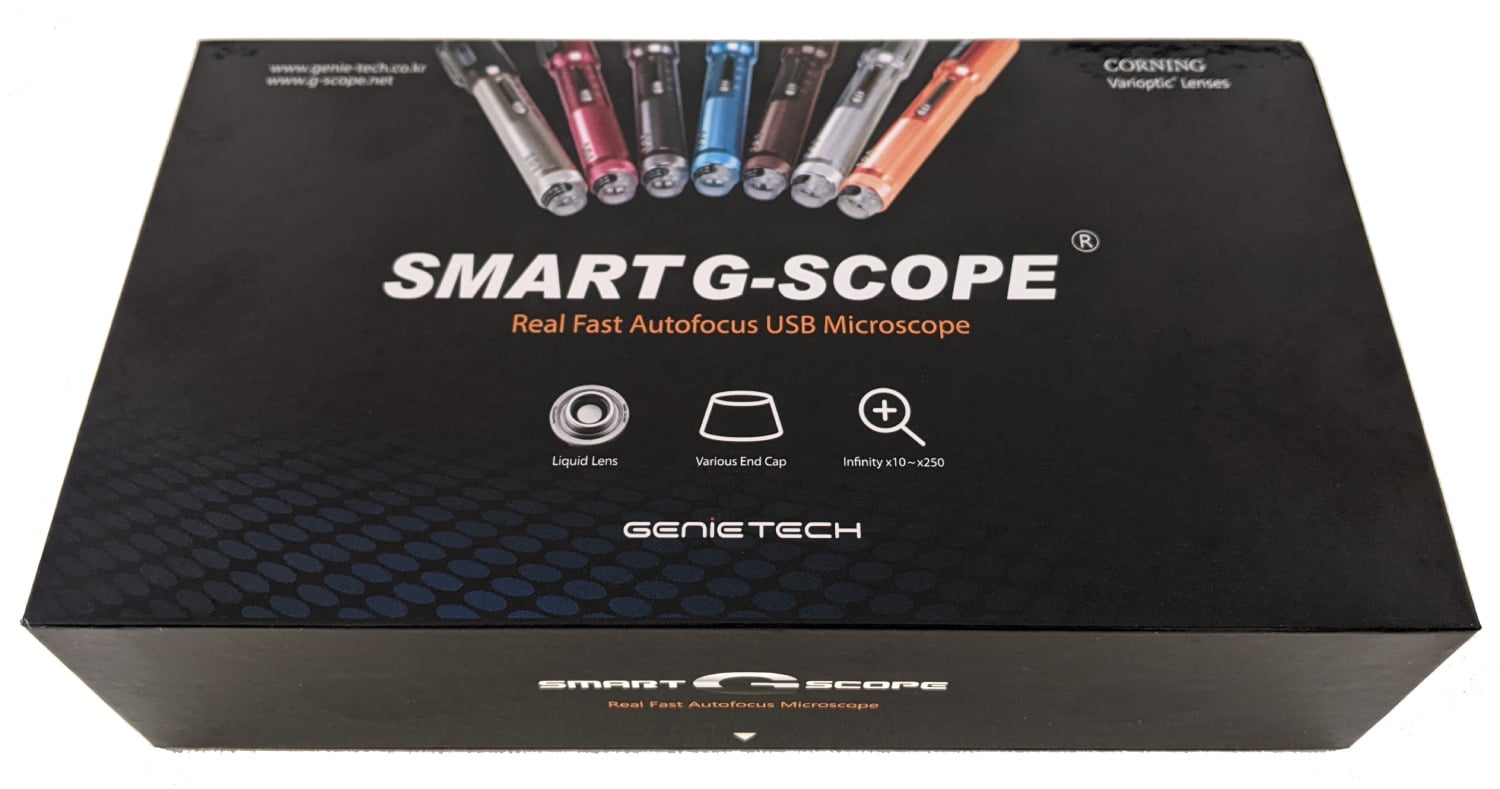
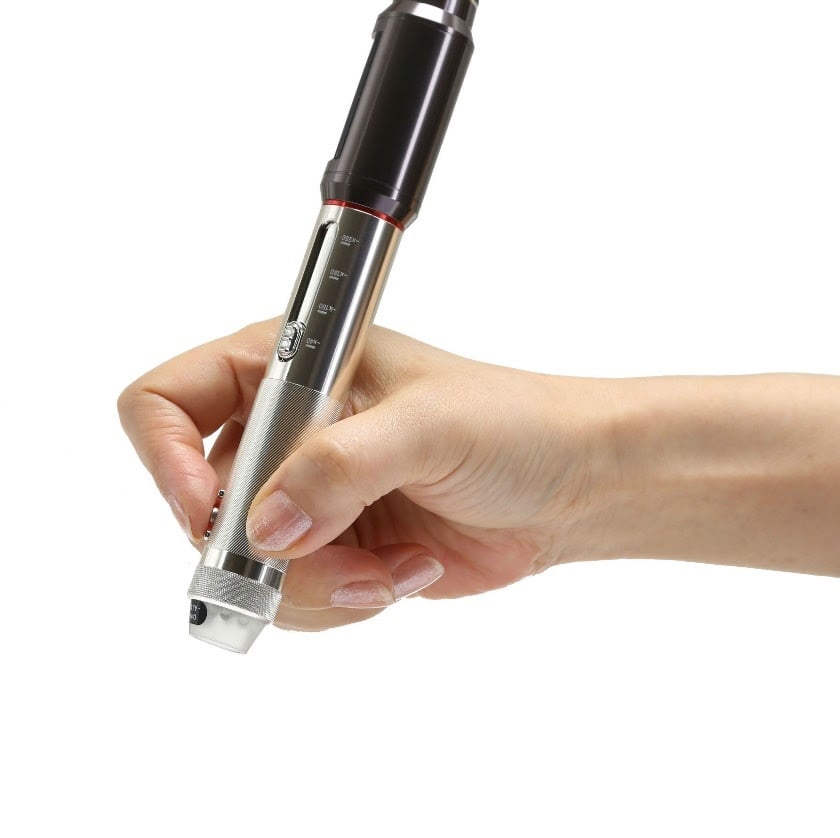
Click any image to enlarge
Practical examples
Early active alopecia areata diagnosis
A hair clinic detects exclamation mark hairs and black dots using Smart G-Scope trichoscopy, confirming active alopecia areata and enabling early treatment.
Post hair-transplant follow-up
After a hair transplant, the trichologist uses the microscope to assess transplanted follicle growth, documenting monthly progress and adjusting post-care recommendations.
Limitations & best practices
- It does not allow hair bulb analysis (a trichogram with extraction would be required).
- Clean the scalp of cosmetic products before examination.
- Avoid excessive pressure on sensitive or inflamed areas.
Interested in this use case?
Buy Smart G-Scope
Get the right kit for this application. Secure checkout and fast shipping.
Need help choosing? Tell us your workflow and we’ll recommend the best setup.
Related use cases
Dermatology
High-precision visual analysis of skin lesions, nevi, and dermatologic changes.
Capillaroscopy
Observation of nailfold capillaries to support the assessment of autoimmune and vascular diseases.
Aesthetics
Skin analysis, treatment evaluation, and documentation for professional aesthetic clinics.
Veterinary
Assessment of skin conditions, parasitoses, and hair analysis in companion and exotic animals.
Podiatry
Examination of nails, plantar skin, warts, and foot lesions for assessment and follow-up.